
Education is not JUST schooling.
Education is identity.
Education is the economic foundation.
Education
Education is not just schooling
We have spent generations measuring education by what children can recall in an examination room. Results matter, but they are not the whole picture, and we have allowed them to become a proxy for something far richer and more complex than any grade can capture.
Education is about more than what can be tested. It is how a child learns who they are, what they are good at, and how to make their way in the world. That kind of learning happens in classrooms, but it also happens in experience, in challenge, and in the moments when a young person surprises themselves. A system that only measures one of those things will miss most of what matters.
Jersey has an extraordinary asset in its natural environment. Our coastline, our countryside, the tidal rhythms of this island, these are not just beautiful. They are educational. Nature-based learning, outdoor education, and environmental literacy build resilience, curiosity, and connection in ways that no worksheet can replicate. We should be embedding Jersey's landscape into how our children learn from their earliest years, not treating it as an occasional field trip.
I also believe we need to take social and emotional learning seriously, not as an add-on, but as a core part of what we offer. We are raising a generation navigating social media, digital addiction, and an increasingly complex world without always giving them the tools to do so. The question of whether to ban phones in schools matters, but it is the surface of a much deeper challenge. Digital literacy, media literacy, and emotional resilience need to be taught explicitly, sequenced deliberately, and taken as seriously as mathematics. Our schools should be equipping the pupils to understand how an algorithm is designed to attract attention, and to build resilience to push back. Unless we are actively preparing young people to have healthy relationships with technology, with their surroundings, and with each other, no policy will be enough.
Education that sees the whole child: their creativity, their emotional life, their identity, their relationship with their community and environment, produces adults who are more resilient, more connected, and more capable of contributing to the society around them.
It is the foundation of everything else.
Education is identity
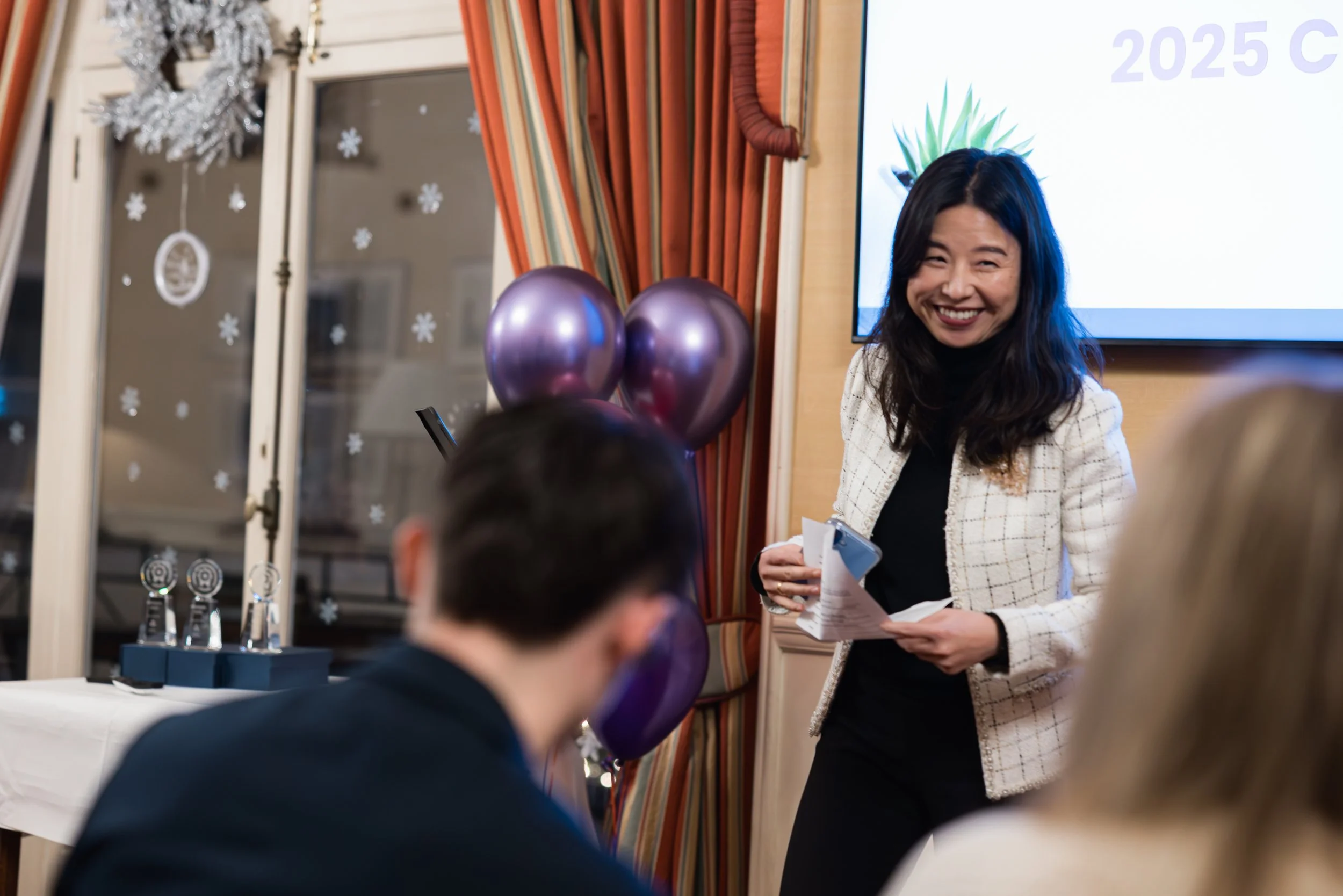
Education is also about something deeper than skills and qualifications. It is about who we are, what we value, and the kind of community we are choosing to build together.
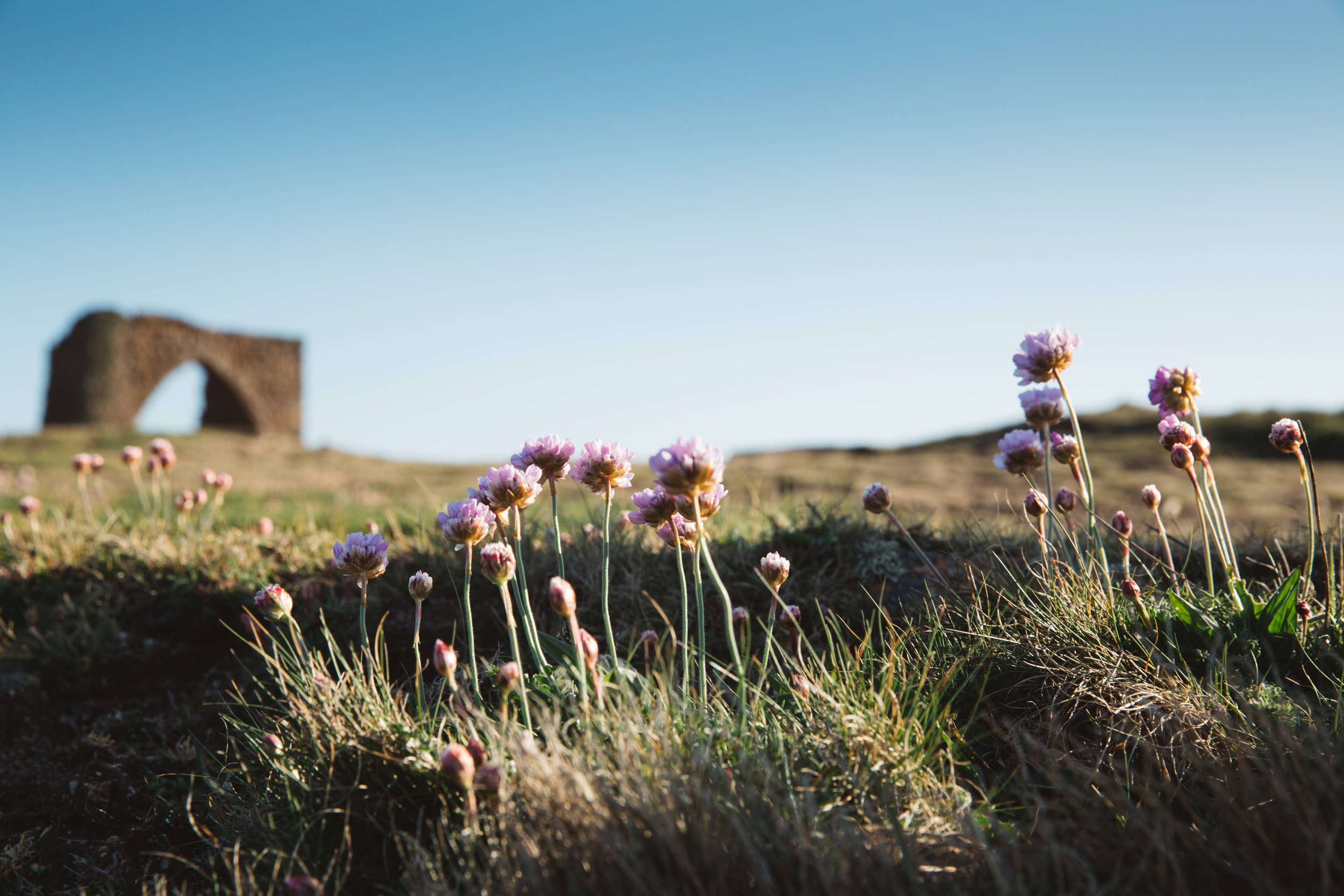
A child who grows up understanding Jersey's history, its relationship with the sea, its occupation, its unique constitutional position, and its extraordinary natural environment develops a sense of place that no curriculum framework can manufacture. That sense of belonging, of being rooted somewhere, of knowing you are part of something with a past and a future, is central to it.
Jersey is a remarkable place. It sits at the intersection of British and French culture, of ancient tradition and modern finance, of a tight-knit island community and a globally connected economy. Our children should be growing up with pride in what makes Jersey distinctive, and with the curiosity to understand their island deeply.
Jersey's classrooms are home to many languages, English, French, Portuguese, Polish, Romanian, Mandarin, and more. This linguistic richness is one of the island's greatest assets. Research consistently shows that multilingual children develop stronger cognitive flexibility, deeper empathy, and a more nuanced sense of how other people see the world. Our EAL learners bring something valuable into every classroom: another language, another culture, another way of understanding. With properly resourced support and a school culture that celebrates multilingualism, these children thrive, and so do the friends who learn alongside them.
This matters for civic life too. Democracy is a practice, it has to be learned, modelled, and encouraged. Only 17% of 16 to 34-year-olds in Jersey vote. That is not apathy, it is disconnection. Young people do not yet see the direct link between political decisions and daily life, the price of a drink, the job they can get, whether they can afford to stay in Jersey. If your voice is not in the room, your problems will not be heard.
Education can change that: teaching not just the mechanics of democracy but why it matters, and treating young people as future citizens from the moment they walk through the door.
Only 16- 34 Years Old Residents Voted in 2022.
17%
Days Until Election — 7 June 2026
Education is the economic foundation.
Every serious conversation about Jersey's future leads back to education. Affordability, diversification, keeping young people on the island, none of it works without getting education right.
AI and automation are reshaping the labour market. Jersey must re-skill its existing workforce while reimagining what we teach children from the start. That means broadening what counts as education. Creativity, digital literacy, emotional intelligence, entrepreneurial thinking, collaborative problem-solving, these are the skills the next economy will run on.
It means investing in early years, where the returns are highest and the evidence clearest. Jersey's birth rate has hit its lowest level, and the Jersey Childcare Trust has directly linked this to affordability. When families are leaving the island or choosing not to have children because childcare costs too much, that is not a personal decision, it is a failure of political will.
And it means connecting education to a meaningful life here. Jersey has remarkable entrepreneurial talent, people building businesses, creating jobs, diversifying the economy. Our schools should be partnering with that energy, creating pathways into apprenticeships, enterprise, and the sectors we want to grow. Young people who leave school here should be able to see a future here.
Economic diversification starts with investing in our children and young people, and making decisions based on where we want to be in twenty years, not where we were twenty years ago.
Education is that investment.