
4 Priorities, 3 Focuses, 2 Promises, ONE Jersey.
Politics should be practical, not performative.




4 Priorities
St Helier North
This is a defining term for St Helier North.
Debate around the hospital has become a recurring theme in Jersey. For residents of St Helier North, it means construction traffic, uncertainty over public spending, and questions about when it will be delivered.
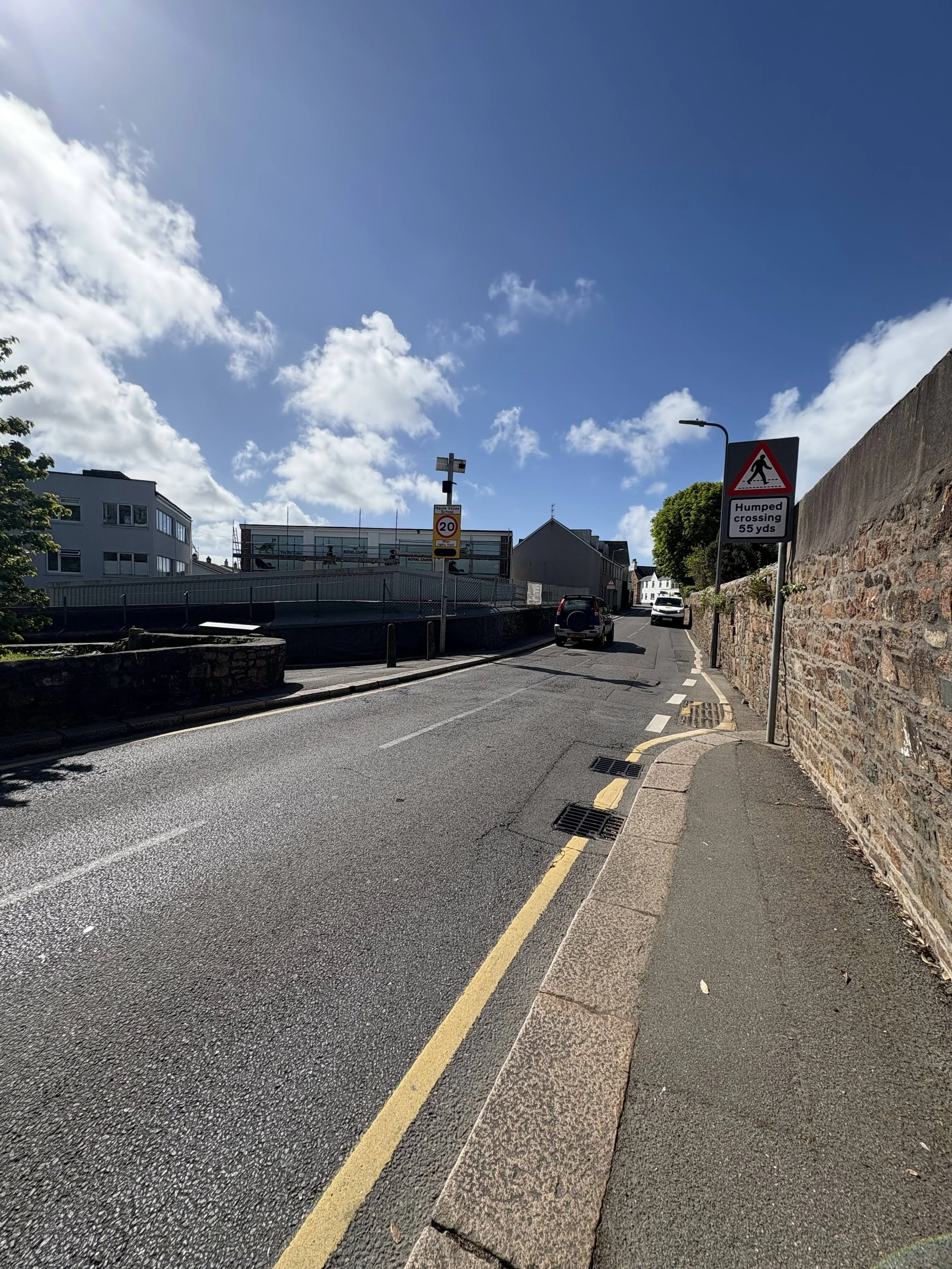
From Centrepoint nursery to Mont à l'Abbé, d'Auvergne, First Tower and Haute Vallée, this area educates over 1,500 children and young people, around one in every nine in Jersey's education system. Alongside the residents, the streets and the services, this is our shared constituency.
For St Helier North, these are my 4 commitments:
Safer roads. A School Routes Plan with clear pavements, crossings and delivery dates. Quarterly reporting on Overdale construction traffic. A bus review shaped by the people who use it.
Green space. Working with the new Constable to reopen underused land. Accessible playgrounds within reach.
Community space. A monthly drop-in surgery rotating across the constituency. No appointments. Just turn up.
Education for all. A Deputy who knows our schools and community, and treats education as the foundation.
3 Focuses
Every policy decision affects three things: People (who we are), Place (where we live), and Prosperity (how we thrive together). I'll measure my work in the Assembly against all three.


People
Jersey's economy runs on people, the nurses, the teachers, the accountants, the lawyers, the engineers, the entrepreneurs, the carers, the young people deciding whether to stay or leave. Get the conditions right for people, and everything else follows. Get them wrong, and no amount of economic policy will compensate.
Childcare and early years that work for every family
Childcare in Jersey is not yet designed around the realities of working parents. That has to change. Families should not be priced out of the workforce, and children should not miss out on early years provision because of where their parents happen to work or what shift they happen to do.
A broader primary curriculum
Literacy and numeracy are essential, and we should keep improving them. But a primary curriculum fit for the next generation also needs science, arts, technology, critical thinking, and outdoor learning. Children learn to think by encountering the world in more than one dimension.
SEN, mental health, and the services our children and young people depend on
Faster SEN diagnosis. Clearer support for the teachers doing the work in the classroom every day. And a published mental health waiting time standard, so families know what to expect, and so the system is accountable for delivering it.
Delivering the Women's Health Strategy this term
A strategy is only as good as its implementation. The Women's Health Strategy needs to be delivered this term, not deferred into the next one.
An independent Education Leadership Board
An independent Education Leadership Board bringing together students, teachers, parents, local specialists and global expertise, to improve outcomes and hold the system accountable to them.
Digital skills and the future of work
Artificial intelligence and automation are not distant threats. They are already here, already reshaping the labour market, already changing what skills Jersey needs from its workforce and its young people.
Jersey needs a digital skills strategy that runs from primary school through to workforce retraining, one that treats digital literacy as a foundational skill, not an optional extra. In schools, that means coding, data literacy, and critical thinking about technology embedded in the curriculum from early years. For the existing workforce, it means accessible retraining pathways that meet people where they are, not where the system finds it convenient.
Higher education and keeping young people here
Jersey has Highlands College and the University College Jersey, but provision remains limited, and the higher education pathway for young people on this island is still far narrower than it should be. Students who want a full degree programme almost always leave, and many do not come back.
It is an investment loss. Every pound spent on a young person's education here is a pound whose return may walk onto a ferry and not return.
Expanding what is available, through satellite university partnerships, accredited programmes delivered in collaboration with UK and international institutions, and stronger employer-linked pathways, would give young people a reason to stay or a reason to return. It would build the knowledge economy Jersey needs. And it would signal that this island is serious about its own future.
Multilingual Jersey
Jersey is a multilingual community. Significant numbers of residents navigate daily life, health appointments, school interactions, legal matters, government services, in a language that is not their first.
Multilingual inclusion is a practical question. A community that cannot communicate with all its members is a community leaving talent, contribution, and civic participation on the table.
Jersey should design its housing, its streets, its energy system, and protect its natural environment around the people it needs, not the other way around.
Housing that matches workforce needs
Housing policy has been treated as a planning question. How many units. What zone. Which site. But the more important question is: who are we building for, and what does this island need them to do?
The Government of Jersey is advertising a Clinical Psychologist in the Jersey Adult Autism Service and a Senior Parking Control Manager on identical salary bands, £79,133 to £86,974. If we cannot attract and retain the clinical professionals this island needs, we are pricing out the people we most need to stay.
The same logic applies across the public sector. If Jersey is serious about world-class education, and I believe it must be, then world-class teachers need to be able to afford to live here. If we want satellite university partnerships and genuine higher education pathways that give young people a reason to stay, the people delivering those programmes need homes within reach of their salaries. Housing is not separate from workforce strategy. It is workforce strategy.
Key-worker housing
A concrete commitment: key-worker housing, so that the people delivering the services this island depends on can afford to live in the community they serve.
One flat
A household on average income in Jersey can afford a mortgage on a one-bedroom flat. One flat.
Young people see it clearly. They grow up here, they are educated here, and then they look at what staying actually costs, and they leave. Jersey does not just lose their energy and talent. It loses the return on every pound invested in their education.
We cannot keep investing in people and then making it impossible for them to stay.
Joined-up urban design
The States Assembly recently voted to require a minimum of one parking space per new apartment, passed with 26 votes for and 11 against. Developers warn it will drive up property prices and reduce the number of affordable homes built. Residents say they simply need somewhere to park. Both sides have a point. That tension exists because we have been making planning decisions in isolation rather than asking the bigger question: what kind of place do we want St Helier to be?
A family cannot choose to live without a car if the school run is unsafe, if green routes do not exist, if the nearest park is across a main road, if public transport does not serve their hours. Removing parking without simultaneously investing in the conditions that make car-free living genuinely possible is not urban planning. It is cost-cutting dressed as policy.
What St Helier North needs is joined-up thinking about the whole environment, housing, green space, community space, safe routes to schools, traffic flow, and the quality of the streets families actually walk through every day. These are not separate debates. They are one debate about what kind of place this is, and whether it is designed for the people who live in it.
Energy independence
Jersey imports around 95% of its electricity. This is a resilience question. An island that cannot generate meaningful amounts of its own power is an island permanently exposed to disruption, price fluctuation, and decisions made elsewhere.
The solution: rooftop solar on residential and commercial buildings, starting with public buildings, and community energy schemes that keep the economic benefit locally. Energy costs are a cost-of-living issue. Every household that generates its own power is a household less exposed to rising bills.
Land use and food security
Jersey has approximately 116 square kilometres of land. Every decision about how that land is used is permanent in planning terms, agricultural land rezoned for development or energy use is rarely returned to food production.
A proper long-term value assessment must include food security, ecosystem services, landscape value, and island resilience, not just private financial return.
Jersey does not have to choose between food and energy. We should be choosing both.
Jersey imports the vast majority of what it eats. That dependency is a vulnerability, made more visible by the DFDS freight disruption, by rising shipping costs, and by the 10 cancellations on the Jersey freight route compared to just 2 on the Guernsey route in the same period.
Strengthening local food production, supporting Jersey's farming community, and building shorter supply chains between growers and communities is not nostalgia. It is strategic resilience. A Jersey that grows more of its own food is a Jersey less exposed to the cost and fragility of freight dependency.
A living Jersey identity
For a small island community, culture is infrastructure, as essential as roads, schools, and hospitals, because it is what holds the social fabric together.
A prosperous island needs moral foundations: trust, fairness, mutual obligation. Invest in education. Support the communities that hold this island together.
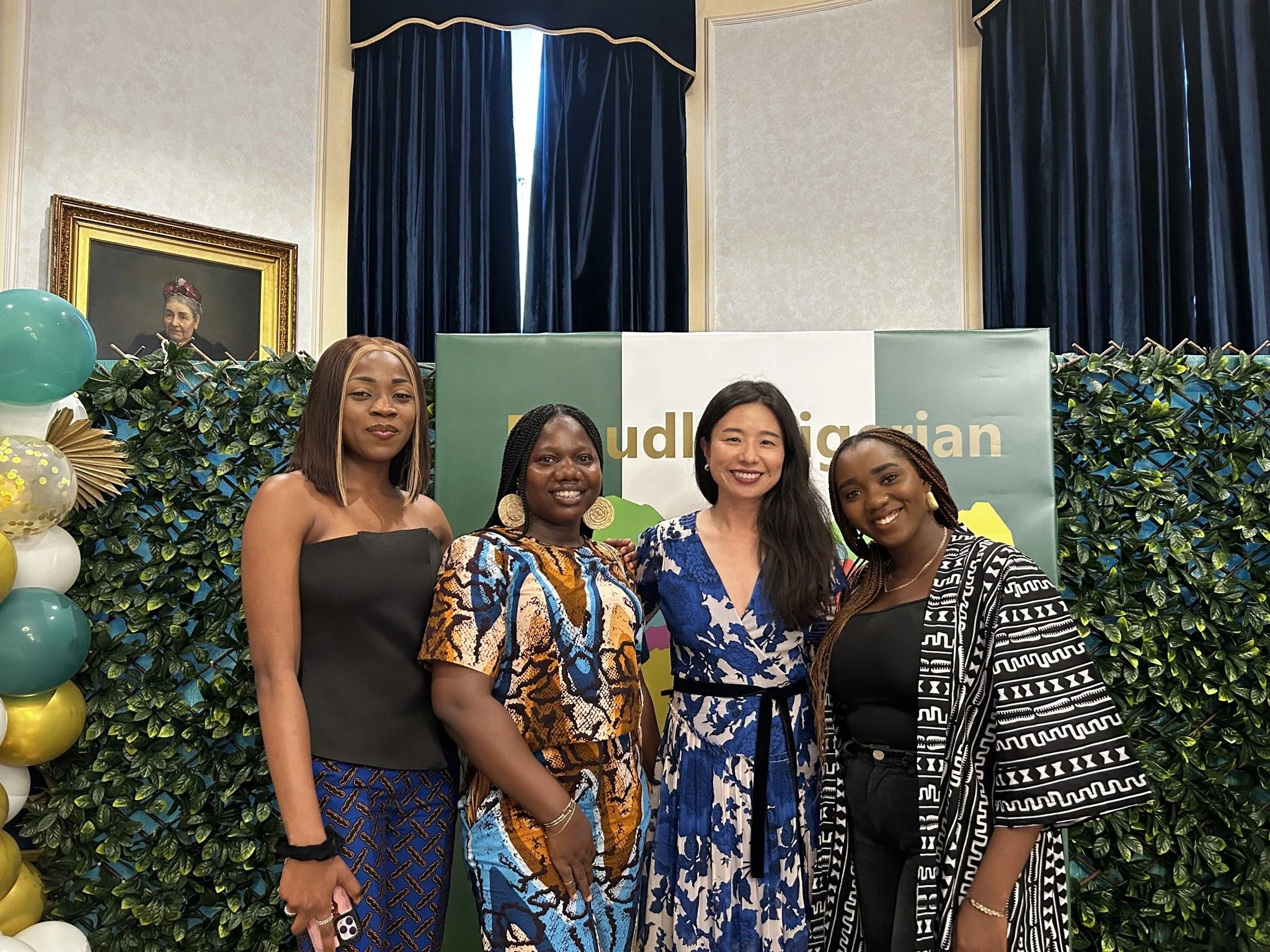
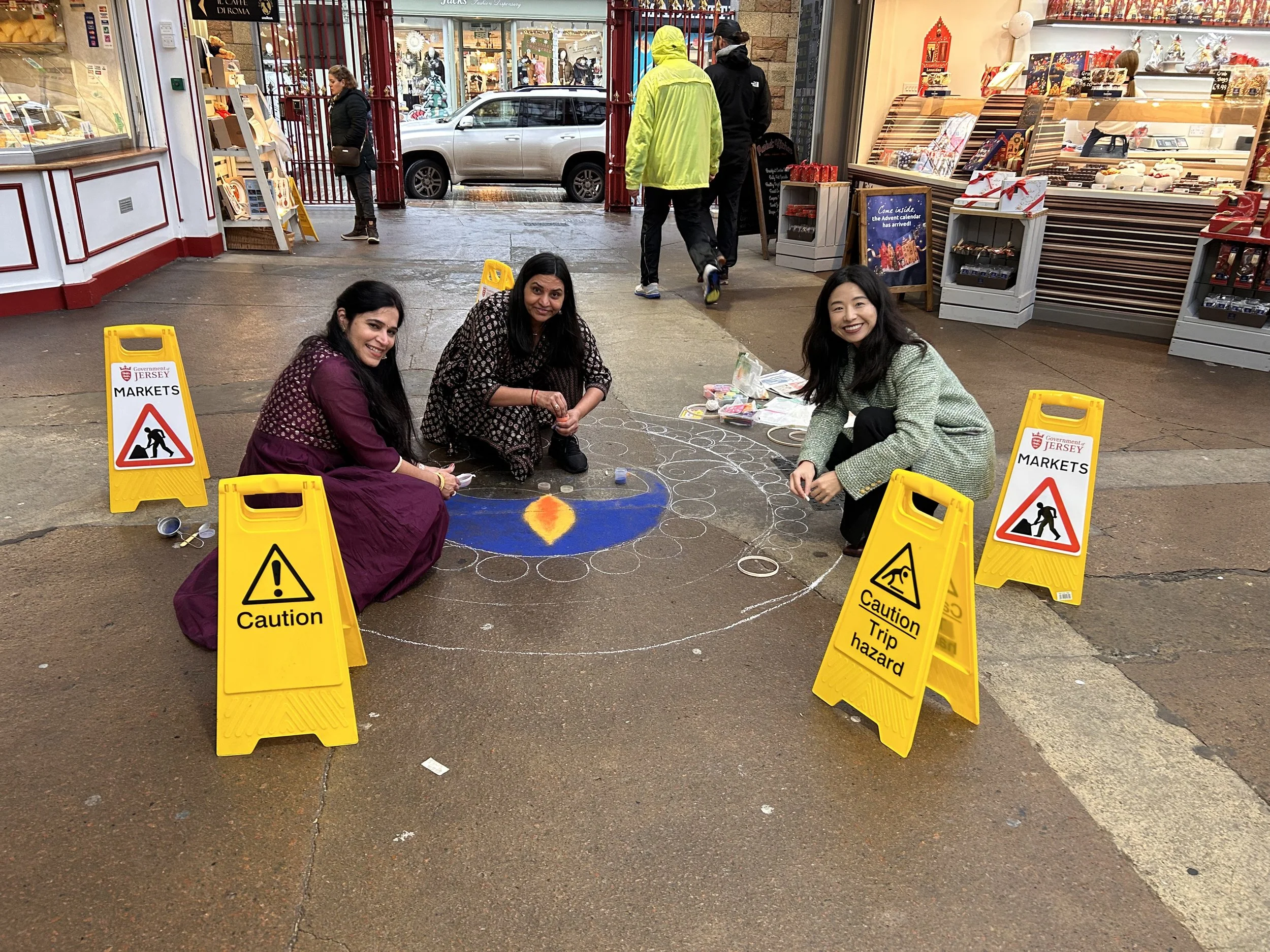
Jersey is a remarkably rich place culturally. It sits at the intersection of British and French traditions, carries its own Norman heritage in its place names and its parish structures, and has been shaped by successive waves of people who came here and made it home, from France, from Portugal and Madeira, from Poland, from Romania, from the Philippines, from South Africa, from Nigeria, from across the world. That diversity is a resource.
An island that knows how to celebrate difference is an island that knows how to hold itself together.
Culture needs investment and political recognition. It needs spaces, community halls, arts venues, libraries, public gathering places, that are protected and funded, not perpetually at risk of being repurposed or cut. It needs festivals and programmes that bring people together across the lines of background, income, and origin.
Protecting the 1% for arts, culture and heritage. Because understanding who we are is how a small island chooses its own future.
The environment our children inherit
Jersey's natural environment is also an educational asset, one we have not fully used. Our coastline, our tidal rhythms, our agricultural landscape: these are living classrooms. Nature-based learning builds resilience, curiosity, and connection in children in ways no worksheet can replicate. Embedding Jersey's environment into how we educate, not just how we regulate, is part of what a joined-up approach looks like.
We have one island.
Place
Prosperity
Politics should be practical, not performative. The test of good governance is not how much is announced, it is what actually changes for the people it was meant to help.
Jersey is a wealthy island. That wealth creates an obligation to spend public money wisely, transparently, and with clear accountability for outcomes. Right now, that accountability is too often missing.
What we fund tells us what we value
The Government of Jersey is currently advertising two permanent, full-time roles on identical salary bands: £79,133 to £86,974. One is a Clinical Psychologist, this person will conduct suicide risk assessments, deliver specialist psychological interventions for autistic adults with complex trauma, and carry legal accountability for some of the most consequential clinical decisions made on this island. The other is a Senior Parking Control Manager.
Both roles are necessary. But equal pay? That is a statement of values, and it is the wrong one. And the argument that clinical staff can supplement their income through private practice only proves the point. If Government cannot attract and retain clinicians without relying on the private market to top up what it refuses to pay, then the people who depend on public services, the ones who cannot afford private care, are the ones who lose. A pay framework should not be measured by management tier alone. It should reflect social impact, clinical responsibility, and the value we place on the most consequential work done on this island.
Fair pay frameworks and strong governance in the civil service.
Hospital accountability
Over £200 million has been spent since 2012 without a new hospital being built. The new Acute Hospital at Overdale is finally moving forward- or not- so accountability matters. But a building is only part of the answer. What services will be delivered, to whom, at what standard, and with what accountability, these must be answered with the same rigour as the architecture.
If this were a business decision, the spending to date would not be tolerated.
Transparent, quarterly progress reporting on Overdale, so residents of St Helier North, who live with the construction, can see what is actually being delivered.
Government systems that work
Jersey cannot lead on digital transformation externally while remaining fragmented internally. Our government runs hundreds of IT systems that do not talk to each other, the Chief Minister himself described the situation as "quite troubling" at a recent public event. No timeline was offered. No deployment strategy.
A government that cannot integrate its own systems cannot deliver joined-up services to the people who depend on them. A child with SEN whose education records, health records, and social care records sit in separate unconnected systems is not being served by the digital age. They are being failed by its absence.
Government systems that work, with business, with the third sector, and with the people they are meant to serve.
Measurable targets on every policy
It means publishing clear metrics before a policy is implemented, and being held to them afterwards. It means genuine consultation with the people most affected before decisions are made, not after. It means a States Assembly willing to ask hard questions of its own government, not just of the Scrutiny Panel. And it means politicians need to be honest about what they do not know, as well as what they do.
A diversified economy
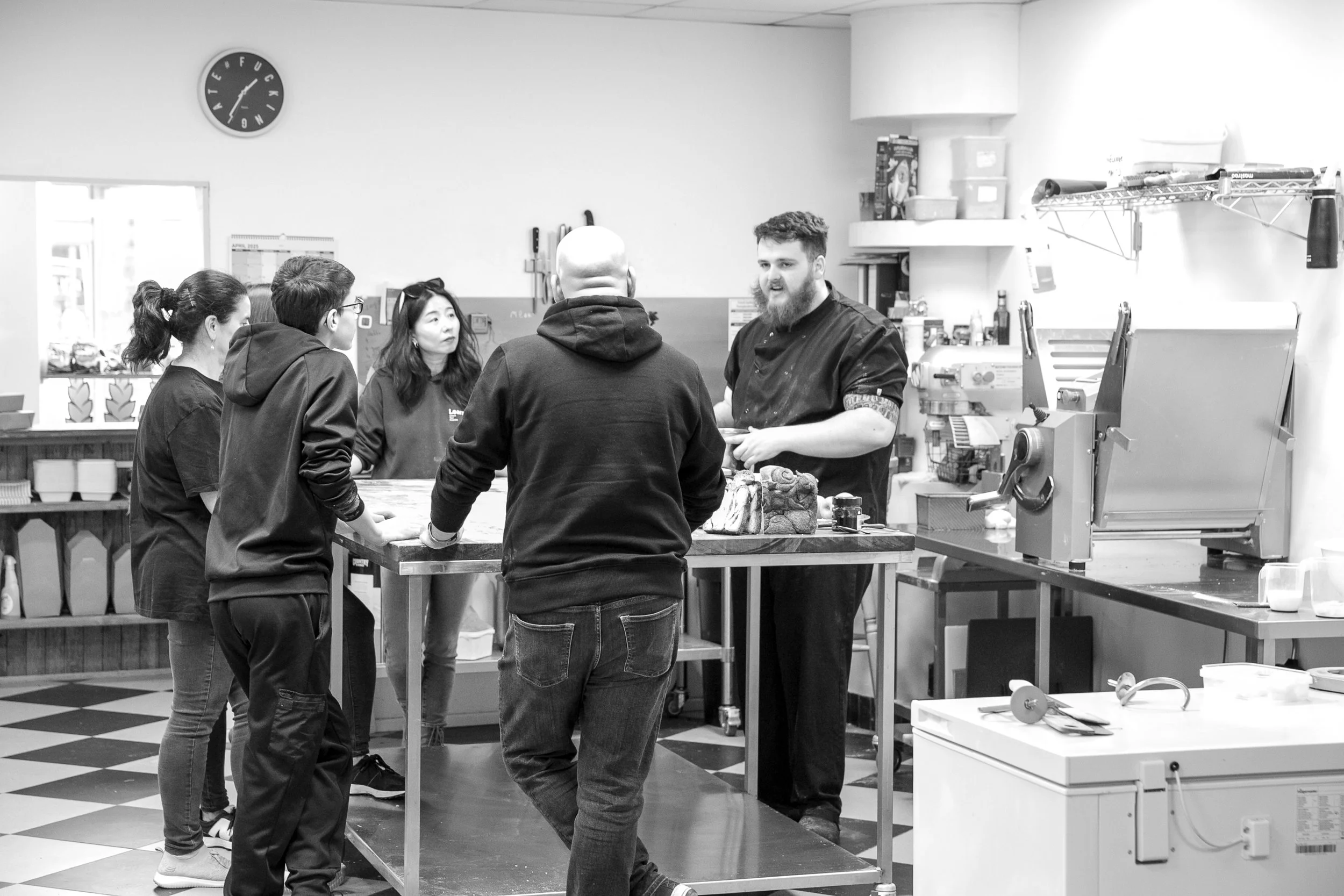
A more diversified economy, one that keeps young Islanders here, and attracts the talent we need. Finance will remain a pillar, but an island that depends on a single sector is an island exposed. Digital, life sciences, creative industries, food production, and the knowledge economy all need room to grow.
A Jersey Social Enterprise Model
Legal recognition for social enterprise in Jersey, with an asset lock to protect public benefit. And fairer public contracts focused on outcomes and social impact, not just on the lowest bid.
Social enterprise is how communities deliver the things the market will not and the state cannot do alone. Jersey has the ingredients for a strong social enterprise sector. What it does not yet have is the legal and procurement framework to let that sector thrive.
Jersey deserves more than announcements. It needs delivery.
2 Promises
I have two promises: to collaborate in the States Assembly, and to deliver in the best interests of every islander.
Collaborate
Deliver
We are 1 island.
The decisions we make in education shape the economy. The choices we make about housing shape the workforce. The way we treat the most vulnerable shapes the kind of community we all live in. Nothing here is separate from anything else.
That is our challenge, and our chance.
Only 16- 34 Years Old Residents Voted in 2022.
17%
Days Until Election — 7 June 2026